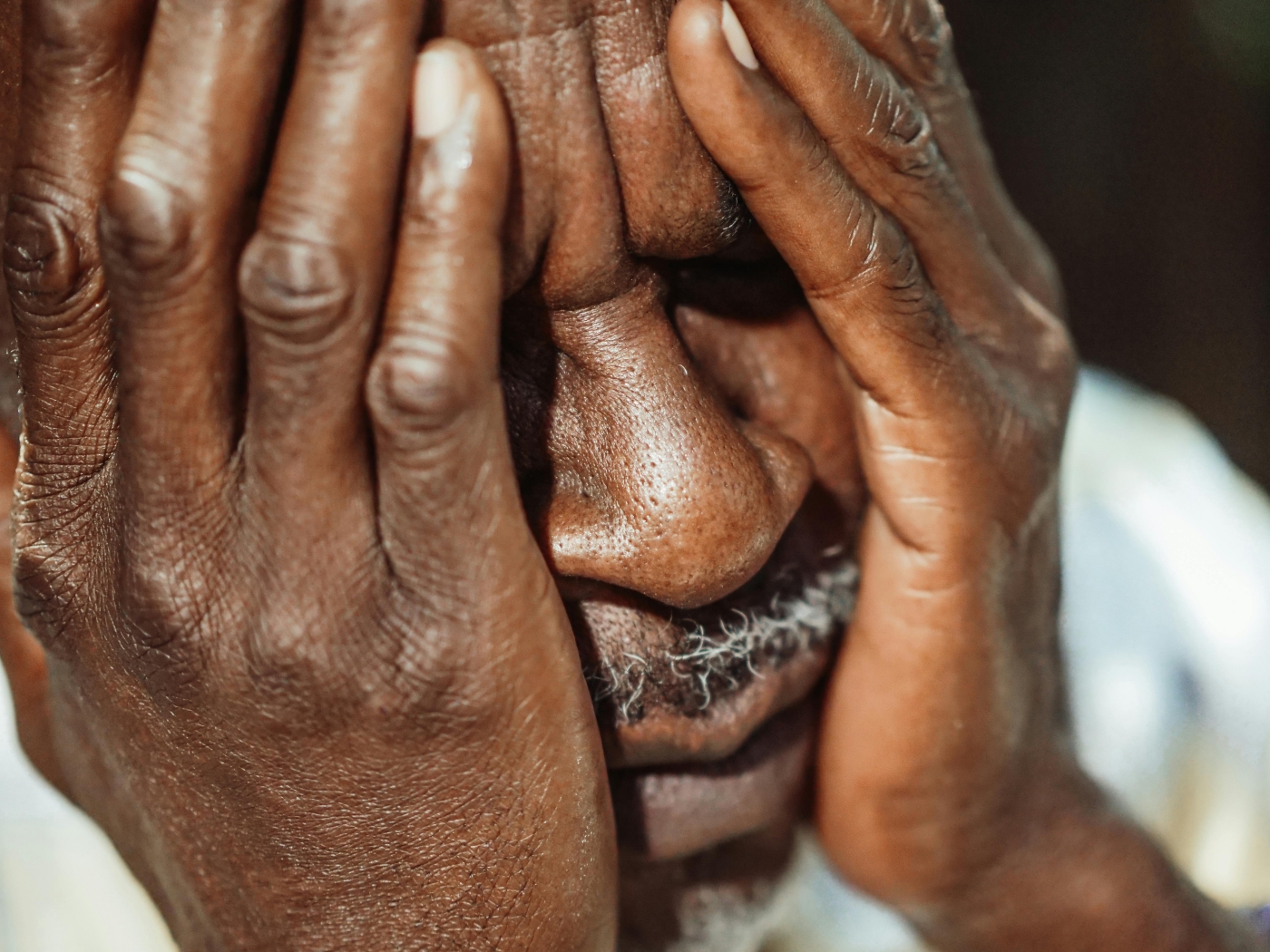
Many of us go through times of suffering. It may be through loss of a job, a family member or our health. Trials are a part of the Christian’s life and should not surprise us (John 15:18-20; 2 Timothy 3:12).
Woods says of the "fiery trial," "the figure here used is that of gold ore cast into a crucible for the purpose of separating the worthless dross from the precious metal." When Christians suffer for the same reason Christ suffered, they have reason to rejoice (Matthew 5:11-12). Such rejoicing in sufferings can occur now because Christians look forward to the great joy the faithful will experience at Christ’s return (1 Peter 4:12-13).
“If” at the beginning of verse 14 could be better translated, “when” (Woods). People in the world hear the kinder words and tone used by members of Christ’s body. They see the good deeds they do in the Lord’s name. This may result in them speaking evil of those wearing the name Christian.
Such evil speech should make God’s children inwardly happy, which is the meaning of the word “blessed” both here and in Matthew 5:1-12. That happiness stems, in part, from the abiding presence of the Holy Spirit. Christ is evil spoken of when Christians are evil spoken of (Acts 8:3; 9:1, 5). Others may speak evil of Christ because of the good lives of believers, but the good done in His name glorifies Him.
Christ’s disciples can be happy when suffering for Christ, but should be ashamed to suffer as evil doers. Peter labels one of those evil actions with the word “busybody.” The original word describes “one who takes supervision of affairs pertaining to others and in no wise himself” (Thayer).
Disciples should not suffer for such actions. On the other hand, there is no shame in suffering because one follows Christ. Luke says “the disciples were first called Christians in Antioch” (Acts 11:26). “Called” is from the same word translated “divinely warned,” “warned by God” and “divinely instructed” (Matthew 2:12, 22, Hebrews 8:5; 11:7). The name Christian would appear to be the new name promised in Isaiah 62:2 (1 Peter 4:15-16).
“Judgment” in 4:17 is used to denote severe trial (Woods). They were already in the season of that trial. If God would allow the church (see 1 Timothy 3:15) to go through such trials, then the wicked need not expect to escape the sure doom awaiting those who refuse to obey (2 Thessalonians 1:7-9).
Peter then quoted from the Septuagint translation of Proverbs 11:31 (1 Peter 4:18). God will save those who walk uprightly from the great trial to come, but it will be with great difficulty. If God would take great difficulty to save the righteous from the impending trial the ungodly would put them through, imagine the terrible punishment God would send the ungodly to in the end of time.
Peter concluded, on the basis of what he had already written, that Christians who suffer should remember that such suffering is a part of being a Christian. They should place their soul’s well-being in God’s hands, since he is the creator and sustainer of life and can be trusted to maintain it (1 Peter 4:19).
Do not let your suffering overwhelm your faith. Place your cares in the hands of our loving Father, knowing he will finally deliver you.
- Glorifying God in suffering - 2026-06-04
- Serving to glorify God - 2026-05-14
- Preparing to suffer - 2026-04-16