Those constantly seeking the milk of the word will come again and again to the Lord, “a living stone” (1 Peter 2:4). Christ is a living stone because he is alive from the dead to die no more and he is a source of life to his followers (Acts 2:22-24; John 14:6; Romans 6:23). The “stone” here is a building stone (Thayer). It would be cut out for use in a particular work (1 Timothy 1:15; Luke 19:10).
Peter then uses Psalm 118:22, which Jesus applied to himself and his kingdom (Matthew 21:42-46). Peter used it in his first speech before the council (Acts 4:11). Men did not see Jesus as filling their needs and so rejected him, yet literally he was "by the side of God…chosen" and precious, or worthy of honor (Woods).
The church is God’s spiritual temple (1 Peter 2:5; 1 Corinthians 3:9-17). Its members are living stones, part of the body of the living Lord (Galatians 3:26-27; Acts 2:47). They are built as a dwelling place (Matthew 16:13-20). Christians serve in this spiritual temple as priests set apart for the Lord’s service, dependent upon no other human to offer up sacrifices before God. All of their sacrifices are acceptable to God because they are offered "through" Christ, through whom they approach God (John 16:23-24; 15:16).
Zion is the hill on which Jerusalem was built (1 Kings 8:1). The doors to the church first swung open on Pentecost in Jerusalem (Acts 2). "The cornerstone is a massive stone in which the two lines of the wall at their foundation meet, by which the true direction of the whole walls depended, since the slightest imperfection in the cornerstone would be indefinitely multiplied along the course of the walls” (Lipscomb commenting on Ephesians 2:20). Isaiah said, "Whoever believes will not act hastily." Those placing trust in the Lord by obeying him will not be made ashamed to the point of desiring to flee. They become a part of him and his precious nature (1 Peter 2:6-7; Isaiah 28:16).
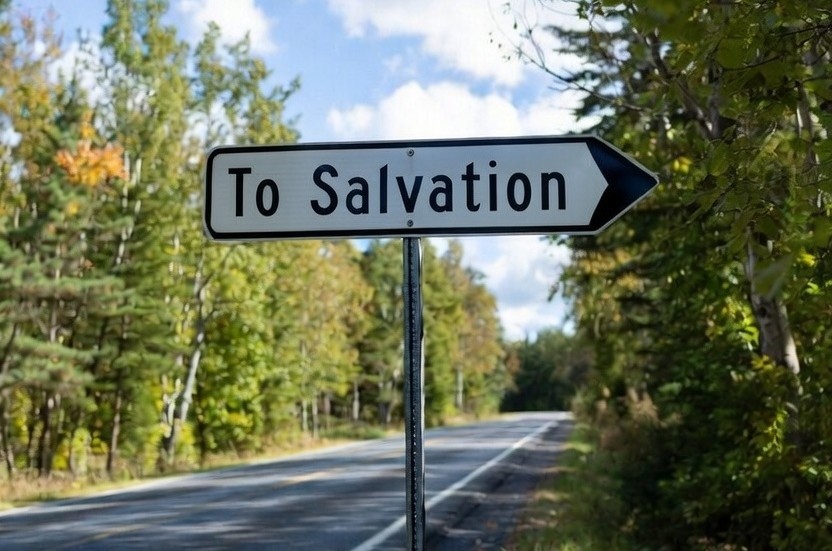
Those who reject Jesus, intentionally disobeying, will discover Jesus is the one on whom God laid the lines of his plan (Psalm 118:22). They have rejected the only road of salvation. Isaiah 8:14 shows what happens to those who do not believe in and obey Christ. Jesus coupled the same two quotes Peter uses in verses 7-8 (Luke 20:17-18). To these unbelievers, Christ is a rock in the road of unbelief over which they stumble (compare Luke 2:34 and 1 Corinthians 1:18-25). The word "offense" describes the stick that trips a trap. The disobedient, or those who are outside of Christ, will be crushed by the stone they have rejected (1 Peter 2:8).
The obedient are an "elect race" (A.S.V.) in Christ (Revelation 14:13). They are set free from their sins by Christ’s blood and made to be kings and priest in God’s service (Revelation 1:5-6). Christians are a nation under Christ the king. They are holy, or set apart for his service (Colossians 1:13; Ephesians 5:25-27). Christians are "a people for God’s own possession” (ASV). God purchased the members of Christ’s body with the blood of his Son, setting them apart to his special use (Romans 5:8-10; Acts 20:28; 1 Corinthians 6:19-20; 7:23). We are to shine with his glory as those who have been called out of sin’s darkness into the light of the gospel (Matthew 5:13-16; John 3:19-21; Romans 13:12).
Peter’s descriptions for Christians are reminiscent of descriptions of Israel (1 Peter 2:9; Isaiah 43:20-21; Exodus 19:6; Deuteronomy 7:6; 14:2). That is because Christians are now the Israel of God (Galatians 6:15-16; Matthew 21:43; Romans 9:8; 2:28-29; Galatians 3:16, 26-29, 7; Philippians 3:3). Peter quotes Hosea 2:23, applied by Paul to the Gentiles (Romans 9:24-26; Ephesians 2:11-13).
This letter likely went to a great number of Gentiles. In Christ, all Christians become God’s people and receive mercy in the form of the forgiveness of sins (1 Peter 2:10).
- Glorifying God in suffering - 2026-06-04
- Serving to glorify God - 2026-05-14
- Preparing to suffer - 2026-04-16