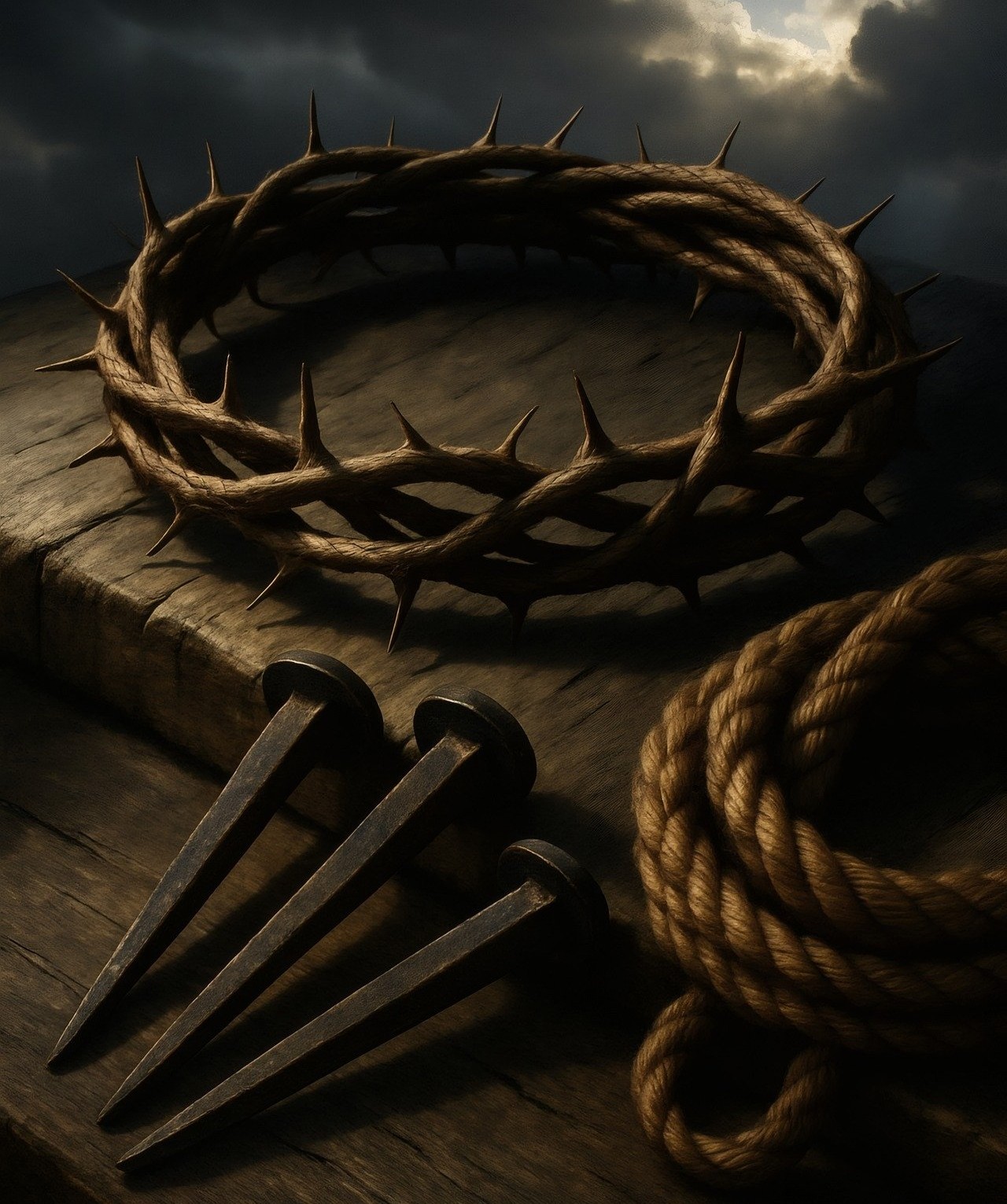
Peter quotes from the Septuagint when saying Jesus did not commit even one sin (1 Peter 2:22; Isaiah 53:9). “Guile” “denotes deceit or treachery” (Kelcy). Jesus was accused of being many bad things (Matthew 9:3; 11:19; 12:24; 26:67; 27:26-31, 39-44). He did not say a word in response, though he could have called twelve legions of angels (Isaiah 53:7; Matthew 26:53). Throughout his life, and especially during the extreme suffering of the crucifixion, Jesus placed his trust in God and committed himself to carrying out his will (Matthew 26:39, 42, 54; 1 Peter 2:23).
We may be confused by the apostle’s statement because we know he roundly criticized the Pharisees and others. Jesus’ words of condemnation “were not the bitter taunts of personal malice, nor the retaliatory retorts for insults received, but the probings of one capable of looking into the innermost recesses of the heart and exposing the corruption there, with the design of saving, if possible, the persons so possessed” (Woods).
Jesus’ purpose in dying on the cross was to offer mankind cleansing from sin (1 Peter 2:24). Christ bore the consequences of sins when he died for obedient sinners (Romans 6:23; Matthew 20:28; 26:28; 1 Timothy 2:5; Romans 5:6, 9-10; 1 Corinthians 11:24; 15:3; 2 Corinthians 5:14-15; Hebrews 2:9; 9:26; 10:10). Jesus died that Christians might die to sin and live to do what is right in the sight of God (Romans 6:1-18; Colossians 3:1-10). God’s commandments are righteousness, so those keeping them would be righteous (Psalm 119:172).
Jesus received stripes so that we might be healed from sin (Matthew 27:26). Jesus’ sufferings are well explained by Dr. Davis in an article which was first printed in Arizona Medicine and then reprinted in Great Commission News.
Preparations for the scourging was carried out. The prisoner is stripped of his clothing and his hands tied to a post above his head. It is doubtful whether the Romans made any attempt to follow the Jewish law in this matter of scourging. The Jews had an ancient law prohibiting more than forty lashes. The Pharisees, always making sure that the law was strictly kept, insisted that only thirty-nine lashes be given. (in case of miscount, they were sure of remaining within the law.) The Roman legionnaire steps forward with the flagrum (or flagellum) in his hand. This is a short whip consisting of several heavy, leather thongs with two small balls of lead attached near the end of each.
The heavy whip is brought down with full force again and again across Jesus’ shoulders, back and legs. At first the heavy thongs cut through the skin only. Then, as the blows continue, they cut deeper into the subcutaneous tissues, producing first an oozing of blook (sic. blood) from the capillaries and veins of the skin, and finally spurting arterial bleeding from vessels in the underlying muscles. The small balls of led (sic. lead) first produce large, deep bruises which are broken open by subsequent blows. Finally the skin of the back is hanging in long ribbons and the entire area is an unrecognizable mass of torn, bleeding tissue. When it is determined by the centurion in charge that the prisoner is near death, the beating is finally stopped.
Sheep wandering away from the fold, confused, in grave danger from wild animals, while traversing dangerous terrain, represents the soul that has wandered from the fold of God (Luke 15:3-7). Christians are back in the fold of God are under the watchful eye of Jesus the shepherd and overseer of our souls (1 Peter 2:25; John 10:1-18; Hebrews 13:20).
Thank God for the loving Shepherd who died for us!
- Christ’s sufferings - 2026-02-26
- Living as a part of God’s temple - 2026-02-12
- A spiritual house of living stones - 2026-01-23