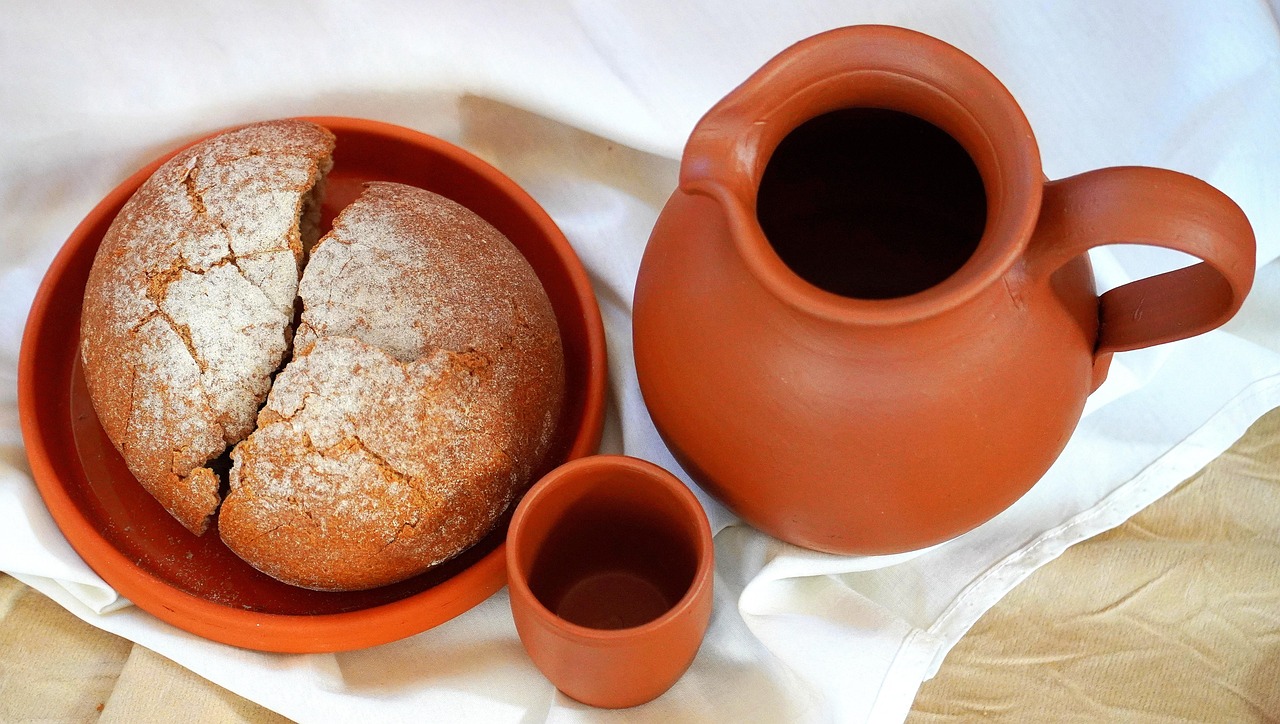
Scriptural evidence indicates the first century church had a custom of eating common meals together (Acts 2:46-47; Jude 1:12). Scriptural evidence also indicates, for at least one congregation, if this custom was not handled responsibly, it could threaten the intended bonds of the church’s common salvation (Jude 1:3). This congregation was located at Corinth, and it had a major problem brewing.
Despite being personally instructed by an apostle of the Lord (1 Corinthians 11:23), some of the Corinthians were failing to stay in their lane. Instead of partaking of the Lord’s Supper, they were eating and drinking to their own condemnation (1 Corinthians 11:27-30). They were failing their sobriety test and were in danger of wrecking their faith (1 Corinthians 15:33-34), so Paul tells them it was time to sober up!
“17 Now in giving the following instruction I do not praise you, because you come together not for the better but for the worse. 18 For in the first place, when you come together as a church I hear there are divisions among you, and in part I believe it. 19 For there must in fact be divisions among you, so that those of you who are approved may be evident. 20 Now when you come together at the same place, you are not really eating the Lord’s Supper. 21 For when it is time to eat, everyone proceeds with his own supper. One is hungry and another becomes drunk. 22 Do you not have houses so that you can eat and drink? Or are you trying to show contempt for the church of God by shaming those who have nothing? What should I say to you? Should I praise you? I will not praise you for this!” (1 Corinthians 11)
The Corinthians had forgotten to remember the supper of the Lord was a memorial meal for the soul, not a suppertime for the flesh. Their spiritual appetite had given way to the physical, and the intended communion turned into selfishness. The condemned leaven was not found in the breadbasket (1 Corinthians 6:13; 8:8) – it was the lack of awareness in their heart (1 Corinthians 5:1-8). The drunken behavior (which was already condemned, 1 Corinthians 5:9-13; 6:8-11) was not coming from the content of the cup – it was coming from their ability to feel nothing while they sat with a full belly next to a brother or sister in Christ who had an empty stomach.
After thinking about it, many of the Corinthians who failed their sobriety test sobered up (2 Corinthians 7). They took Paul’s admonition to glorify God at their own table and the table of the Lord seriously (1 Corinthians 10:23-33; 11:1), and through their example we can learn about the sort of sobriety the Lord’s Supper is intended to create in our heart and mind (1 Corinthians 11:27-28).
There is nothing wrong in sharing a congregational meal together, but if we find ourselves becoming more focused on satisfying our own appetites, we are focusing on the wrong table. Wherever we are geographically, when we sit at the table of the Lord we are in his house and in his kingdom, and sitting there requires an etiquette that revolves around sobriety (1 Thessalonians 5:5-7).
“31 But if we examined ourselves, we would not be judged. 32 But when we are judged by the Lord, we are disciplined so that we may not be condemned with the world. 33 So then, my brothers and sisters, when you come together to eat, wait for one another. 34 If anyone is hungry, let him eat at home, so that when you assemble it does not lead to judgment. …” (1 Corinthians 11)

- The Holy Spir-it? - 2026-05-26
- The gospel is more than three facts - 2026-04-30
- Apostles, elders and deacons in context - 2026-04-19