The language for doing good got complicated. The pessimistic realists and cynics did a number on good vocabulary.
A do-gooder, says Webster, is "an earnest usu[ally] impractical and often naive and ineffectual humanitarian or reformer." I know some of those characters, but how did a few wild-eyed saviors of the world wind up corrupting a terrific phrase? It would be equally fair to point out a few wacky empirical investigators and generalize the meaning of "scientist" as an earnest but impractical and often naive and ineffectual researcher. For the minority category we have coined the phrase "mad scientist." So why didn’t we do that for the reformer class? Say, the "desperate do-gooder?" Or, the "harebrained helper?" But, no, some put-off pundit had to go give a bad connotation to a perfectly good phrase, and do-gooder lost its goodness.
Then there is benefactor. Etymology says it means the same as do-gooder, one who does good, any kind of good. But money talks in a strident voice. Some organization decided to heap honors on a big contributor and call him a benefactor. The hype caught on. Now the do-gooder who is not so ineffectual with his pocketbook has earned this distinction, making it mean "one who makes a gift or bequest."
And don’t forget the goody two-shoes, who just might be goody-goody, "affectedly or ingratiatingly good or proper." Sure, goodness, kindness, courtesy, and other altrustic acts can go awry and sour on both doer and recipient. But that’s no reason to corrupt both the language and the practice of doing good.
There’s more. In certain church circles, benevolence is what you do for the poor, similar to charity, and almost always related to money. They have their benevolence committees and ministries, which in some cases involves nothing more than a food pantry or a box of clothes some matron dropped off to the church secretary. Not bad as far as it goes, but it’s a restricted notion of what constitutes doing good. More than material goods may qualify as good.
General charity fares no better. A few coins for a scrawny, bell-ringing Santa salve the conscience. A couple dollars at work infuses us with courage to say, "I gave at the office." Even the more generous, though, are game to the same misconception: Charity is a question of money.
Now, understand me, I’m not against using money to do good. Americans have gained a global reputation for their "charitable" giving. They could double our dole-outs without as much as a blink. But that generous characteristic points up a fault: that we think we can throw money at the problem and it will go away. Companies do it, churches do it, governments do it, individuals do it. Money never substitutes for personal involvement, elbow grease, a listening ear, and an eye for spotting solutions.
They say the economy is on the rebound. All good and fine, but financial indicators are no gauge of a society’s real health and may even mask some real problems. The economy may continue growing or may at some point level off or decline. But if we make personal decisions to be individual doers of good, producing a record output of compassionate and caring deeds instead of consumer merchandise, the increase of good in our country and around the world will be incalculable.
There is no limit to the number of do-gooders. The work of one tends to clear the ground for others. In the field of benignity, competition takes a backseat to empowerment and encouragement.
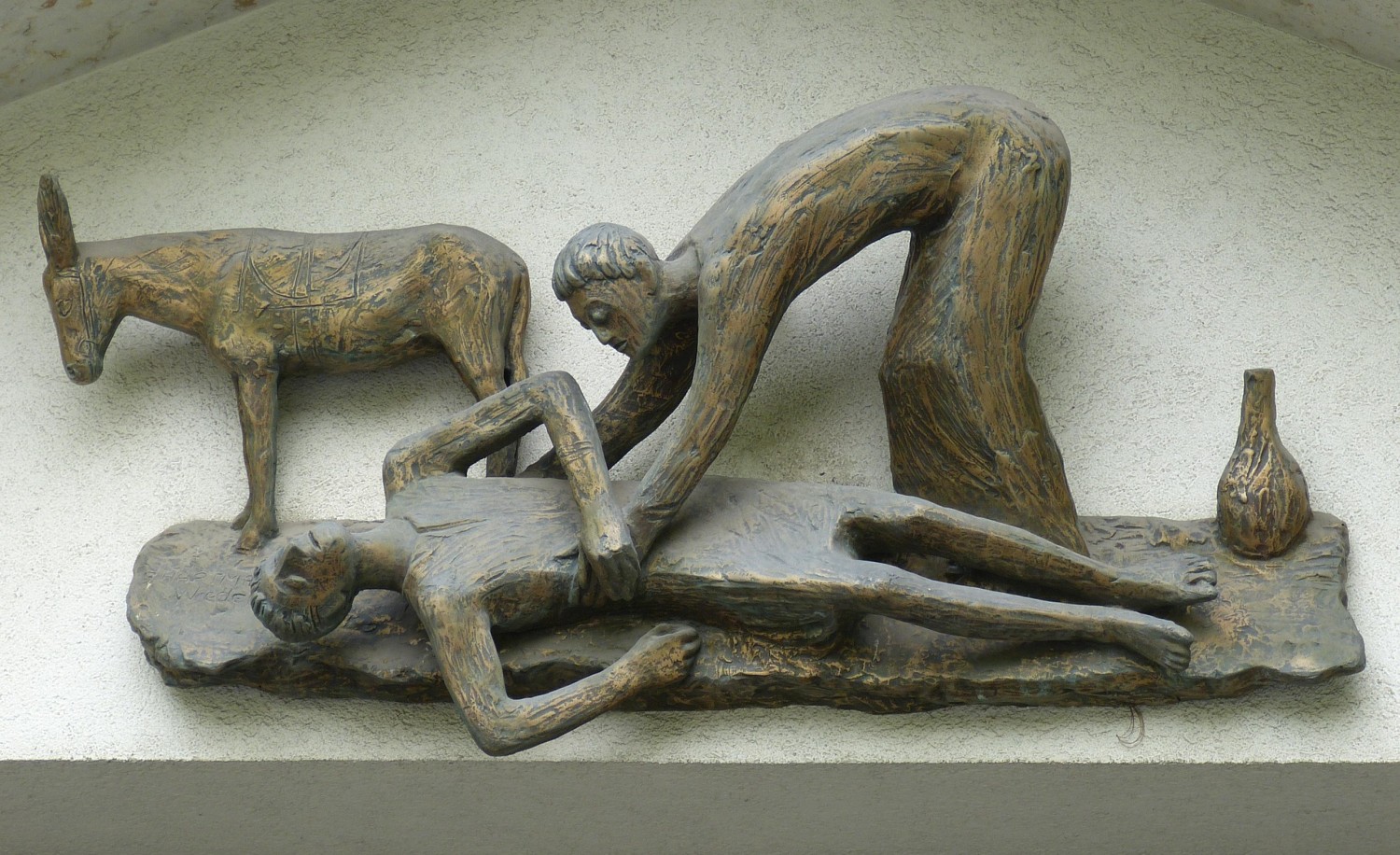
I, for one, reclaim the do-good language from the cynics who think most acts of kindness are useless and even harmful to one’s own well-being. You can go with their philosophy, if you wish, and wean yourself on such things as "Taking Care of Numero Uno." I prefer to think you are less than human unless the Good Samaritan is your model.
This article was recycled from an ancient time when the editor was roving columnist for The (now-defunct) Morrock News Service.

- Covenants: 42 words - 2026-08-18
- Warm fuzzies will not necessarily follow - 2026-07-28
- Don Ruhl has departed this life - 2026-07-01